
Shop with the seasons—and your budget
Fresh food when it is easy to find, frozen fruit when berries cost too much, and zero guilt about not being “perfectly local.” Add your email for the same general checklist as on other pages, or read on.
Eating with the seasons is mostly practical: food often tastes better, can cost less, and nudges you toward variety. In the U.S., seasons look different state by state—citrus in southern winters, hearty roots up north, frozen fruit picked ripe any time of year. Your list can look different from a friend’s list, and that is fine.
We mention patterns common around the Pacific Northwest and similar climates, but the same ideas work at a regular grocery store anywhere. Mix farmers market treats with simple staples. The goal is steady variety, not one rigid rule about where you shop.
Winter and spring on the plate
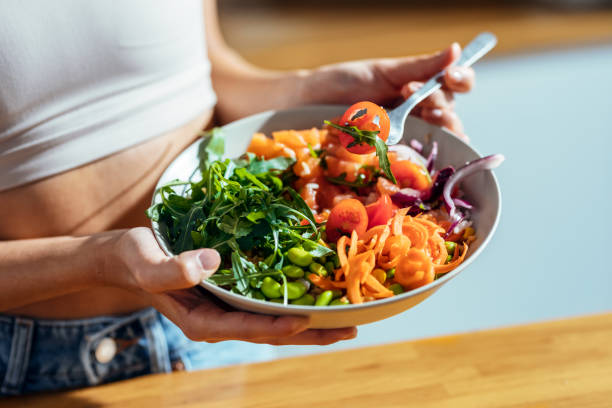
Winter carts often include potatoes, onions, carrots, beets, turnips, and hearty greens like kale. They store well and roast easily. Spring brings asparagus, peas, radishes, and soft herbs. Between seasons, mix roasted roots with fresh herbs in yogurt, or add the first strawberries to a grain bowl with last week’s pickled cabbage.
When berries cost too much, frozen berries in a smoothie still add color and fiber. When lettuce is pricey, shredded cabbage gives crunch. Flexibility is a strength.
Variety over time simply means more kinds of ingredients across the month—interesting meals, not a promise about how your body responds. You are not chasing a miracle—just a wider mix of foods you like to cook.
Summer and fall without overwhelm
Summer tables fill with tomatoes, peppers, zucchini, stone fruit, and melons. It is easy to overbuy. Try pairing one “fast” night (grill or big salad) with one “slow” night (soup or stew that uses softer vegetables). Roast extra peppers and freeze them flat for winter soups.
Fall brings apples, pears, squash, and Brussels sprouts. Restock beans and grains before the holidays get busy. Toasted squash seeds with chili and lime make a simple desk snack when days feel long.
- Pick one favorite fruit and one favorite vegetable each week.
- Try one new item in a small amount as a low-risk experiment.
- Freeze vegetable trimmings for broth if you like making it.
Simple 2026 calendar ideas
Use these as gentle reminders, not rules. They line up with common produce peaks in many U.S. regions.
- January 12–18, 2026 Citrus celebration week — try segmenting oranges for lunchboxes.
- June 1–7, 2026 Strawberry stretch — shortcake night plus frozen puree cubes.
- October 5–11, 2026 Squash workshop weekend — roast two kinds, puree one for soup.
- December 7–13, 2026 Pantry sparkle week — refresh spices before holiday baking.
Budget swaps that feel fair
Fresh herbs costly? Try a small pot on the windowsill. Berries out of season? Use frozen. Meat pricey tonight? Lentils plus mushrooms still make great tacos. Skip fancy drinks and carry a water bottle if that helps your budget breathe.
Store coupons can help on certain days—use them if they feel worth it. If not, skip them. A calm plan beats a stressful “perfect” plan.