
Meal planning that fits your real week
You do not need a perfect plan. You need dinners you can repeat, food that matches your schedule, and small prep steps so busy nights feel lighter. Add your email and we will send the same short, general planning checklist we send to everyone—ideas only, not a diet tailored to you or your health.
Start with the week you really live
Most people do not quit meal planning because they are “lazy.” The plan just does not match real life: long commutes, kids’ activities, or nights when cooking feels like one more job. A good plan starts with honest notes. Which nights are truly “throw something together”? Which mornings give you ten minutes to chop fruit? Which day can handle a bigger grocery run without stress? Think of the plan as guardrails, not a script you must follow word for word.
When meals line up with real time, you rely less on last-minute drive-through defaults. Try keeping two “open” dinners for leftovers or a simple grain bowl with whatever vegetables look good. Roast a tray of vegetables on an easier night so tacos later in the week feel faster. You do not need fancy dish names—what matters is what your Tuesday actually looks like.
Big swings rarely last. Small habits do. That is why we like simple patterns you can repeat: one easy breakfast, one lunch you can pack or grab, and a dinner shape where you swap the protein but keep the sides familiar. You are building kitchen habits, not chasing a new recipe every single night.
Flexible beats rigid
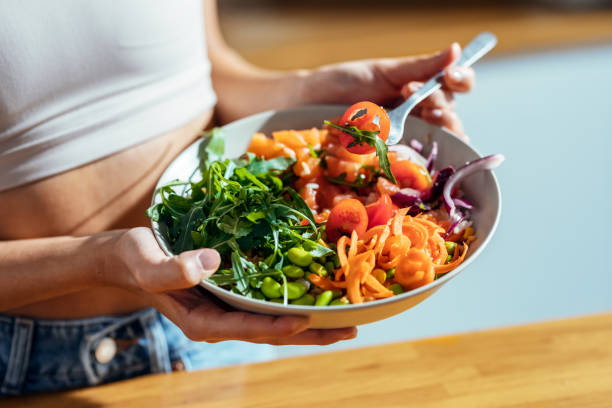
Strict plans break the first time a meeting runs late or a friend drops by with dessert. A flexible plan bends. For dinner, try aiming for three simple parts: a vegetable, a protein-rich food, and something starchy like rice, potatoes, or bread. If you only get two of the three, you still ate a real meal. Another easy trick is color: if the plate looks dull, add one bright vegetable or fruit. No chemistry class required.
Write your plan the way you talk. Instead of “must eat salmon,” try “Tuesday: fish or tofu with lemon.” Cook a pot of lentils, roast one tray of vegetables, and keep a jar of dressing in the fridge—suddenly you have three different bowls with almost no extra work.
In cooler months, cabbage, kale, and squash are easy wins. In warmer months, cucumbers, berries, and fresh herbs show up everywhere. You are not chasing “superfoods.” You are buying what looks good, tastes fresh, and often costs less when it is in season.
- Two flexible proteins
- One batch vegetable
- One “emergency” pantry pasta
- One playful snack experiment
Leave room for fun on purpose. Friday popcorn or Saturday pancakes can sit right inside an ordinary week.
Food safety basics
Good habits keep dinner from turning into a bad night. Wash hands. Use separate boards for raw meat and foods you eat raw. Keep the fridge cold (about 40 °F / 4 °C). When you make a big pot of soup or stew, cool it in shallow containers so the middle cools down safely—this follows common U.S. food-safety guidance.
If someone in your home avoids certain foods, wipe counters between steps, label leftovers with dates, and reheat food until it is hot all the way through. For packed lunches, a small ice pack in an insulated bag helps food stay at a safe temperature.
Chill, store, reheat
- Write dates on leftovers so nothing hides in the back of the fridge.
- Stir sauces while they reheat so they warm evenly.
- If food sat out a long time at a party, skip the risk and toss it.
Knives and the stove
Sharp knives are safer than dull ones because they need less pressure. Turn pot handles away from the edge of the stove. A damp towel under your cutting board keeps it from sliding.
Balanced plates in everyday words
When cookbooks say “nutrient-dense,” they usually mean familiar whole foods in sensible portions: leafy greens, beans, yogurt, eggs, nuts, seeds, whole grains, and colorful produce. It does not mean every snack must be a salad. When you shop, you might ask: what can I add that adds fiber or protein without a long ingredient list? That is a shopping habit, not a medical rule.
In the kitchen, some pairings are classics because they taste good together: olive oil on broccoli, tahini on carrots, tangy citrus or peppers next to bean dishes. We describe flavors and habits here—not how foods act inside your body.
If you notice patterns at first, notice variety more than numbers on a label. A week with several kinds of vegetables, two kinds of whole grains, and yogurt here and there can feel more interesting than a week of the same few items—again, that is about meal variety, not a promise about your health.
| Food group | Easy win | Prep tip |
|---|---|---|
| Leafy greens | Pre-washed tubs for busy nights | Massage kale with a pinch of salt to soften |
| Legumes | Canned chickpeas, rinsed | Crisp in the oven for salad toppers |
| Whole grains | Quick-cooking farro or bulgur | Cook a double batch for grain bowls |
| Colorful fruit | Frozen berries for smoothies | Thaw overnight for pancake toppings |
A plate shape you can reuse
You do not need a scale for every meal. Picture your plate: about half vegetables or fruit, one quarter protein foods, one quarter grains or starchy vegetables. Rotate proteins through fish, chicken, tofu, beans, lentils, or nuts in portions that feel right for you. Rotate grains through rice, quinoa, tortillas, potatoes, or whole-wheat pasta.
For lunch boxes, try three zones: something crunchy, something creamy, and a hearty base. Keep a couple of simple sauces in the fridge—peanut-lime, yogurt-herb, tomato—so the same roasted vegetables feel new.
- Pick a base you like: rice, salad greens, or a wrap.
- Add two colors of vegetables or fruit.
- Add a protein food that matches your hunger.
- Finish with something bright (lemon or vinegar) and a little fat (olive oil or seeds).
Easy flavor boosts
Mushrooms or tomato paste add depth. Citrus zest adds brightness. Toasted nuts add crunch. Small touches make simple meals feel special without extra hours.
Light calendar for 2026
These dates are gentle reminders, not homework. Pair them with the seasonal shopping page if you like a little structure.
- March 14, 2026 Spring forward weekend — plan quick skillet meals after the time change.
- May 18–24, 2026 National Public Works Week — batch granola for grab-and-go mornings.
- July 4 weekend Grill vegetables alongside mains; keep pitchers of water or iced tea where guests can help themselves.
- September 15, 2026 Mid-month pantry audit — rotate grains and check spice freshness.
- November 20–30, 2026 Thanksgiving week — schedule a simple soup night before busy travel days.
Grocery trips that match how you think
Some families like one big weekend shop. Others buy lettuce twice a week so it actually gets eaten. Try three short lists: monthly staples, fresh items twice a week, and one “try something new” slot. Less guessing at the store means less stress at home.
Walk the outside aisles first for produce and dairy, then grab beans, oats, and canned fish from the middle. Snap a photo of your pantry before you leave so you do not buy the fifth jar of cumin. If you share shopping with someone, a five-minute calendar note (“sync the list”) saves Sunday arguments.
Compare unit prices on the shelf tag. Store-brand frozen vegetables and plain yogurt are often just as good and free up money for seasonal fruit or a cheese you really love.
FAQs
Do I need a special app?
No. Paper, a notes app, or a shared calendar all work. Pick what you will actually open on a Wednesday night.
Different hunger levels at one table?
Put parts on a platter and let people build their own plate. Keep rice or salad generous and let protein portions flex.
What if I travel a lot?
Keep three anchors: a breakfast you can repeat, two portable snacks you actually like, and a simple soup in the freezer for the night you get home tired.
Can dessert fit in?
Yes. Pick desserts you really like on purpose nights instead of grazing sweets out of boredom.
When to refresh your plan
Bored at the stove, more food waste, or a new work schedule are all normal signals. You do not have to start over. Change one thing: breakfast, your default grain, or one new spice blend. Small edits keep things moving.
If vegetables keep wilting, you may be buying more than your nights allow you to cook. If meals feel repetitive, add one “wildcard” item each week—a new herb, a citrus you rarely buy, or a jar of something tangy.
Food is personal. A good plan should sound like a practical friend, not a judge.
What this site is (and is not)
Kholvexxiohrexin.world is an independent editorial site about organizing everyday meals in U.S. home kitchens. We do not sell prescriptions, supplements, meal-replacement programs, medical devices, telehealth, or individualized nutrition therapy. The email checklist is the same general material for everyone—it is not an assessment, diagnosis, or treatment plan.
We do not promise weight loss, medical improvement, lab results, or any other health outcome. If you see an advertisement that points here, treat the ad’s claims separately from our articles. For questions that depend on your medical history, medications, or allergies, speak with a registered dietitian nutritionist (RDN) or another licensed professional in your state.
We follow the Federal Trade Commission’s expectation that material connections and advertising be disclosed clearly. Editorial meal-planning articles are written for general information; if we add affiliate links or brand partnerships later, we will label them near the link or at the top of the page.